Thinking Globally
Advanced Delegate — Model United Nations / THIMUN | 2024–Present
The Beginning
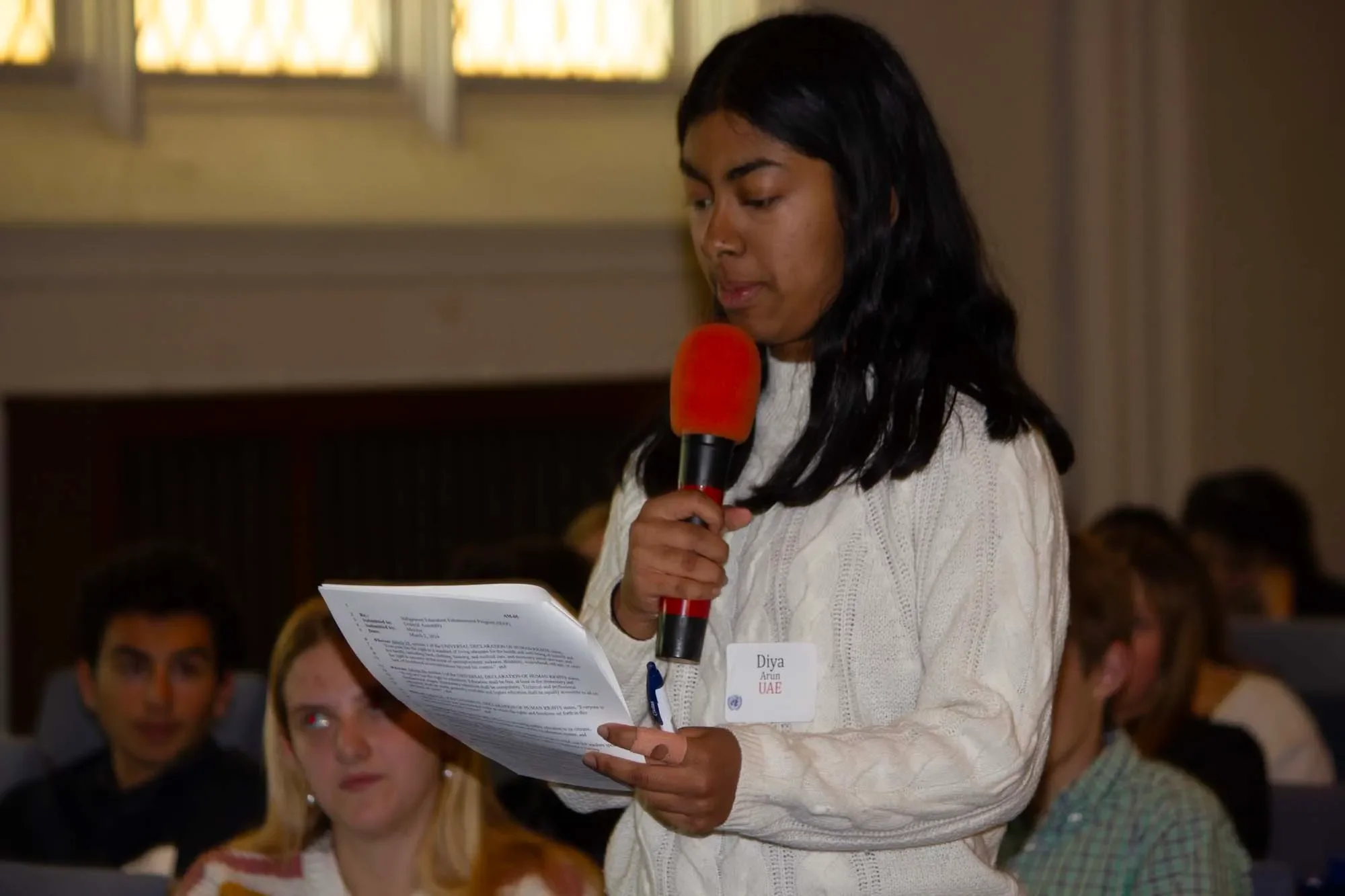
I began Model United Nations by attending local conferences and learning how to research issues, represent a country’s perspective, and speak in a room full of people with different ideas. What initially felt intimidating quickly became something I looked forward to—the challenge of understanding why countries respond differently to the same problem.
The Experience
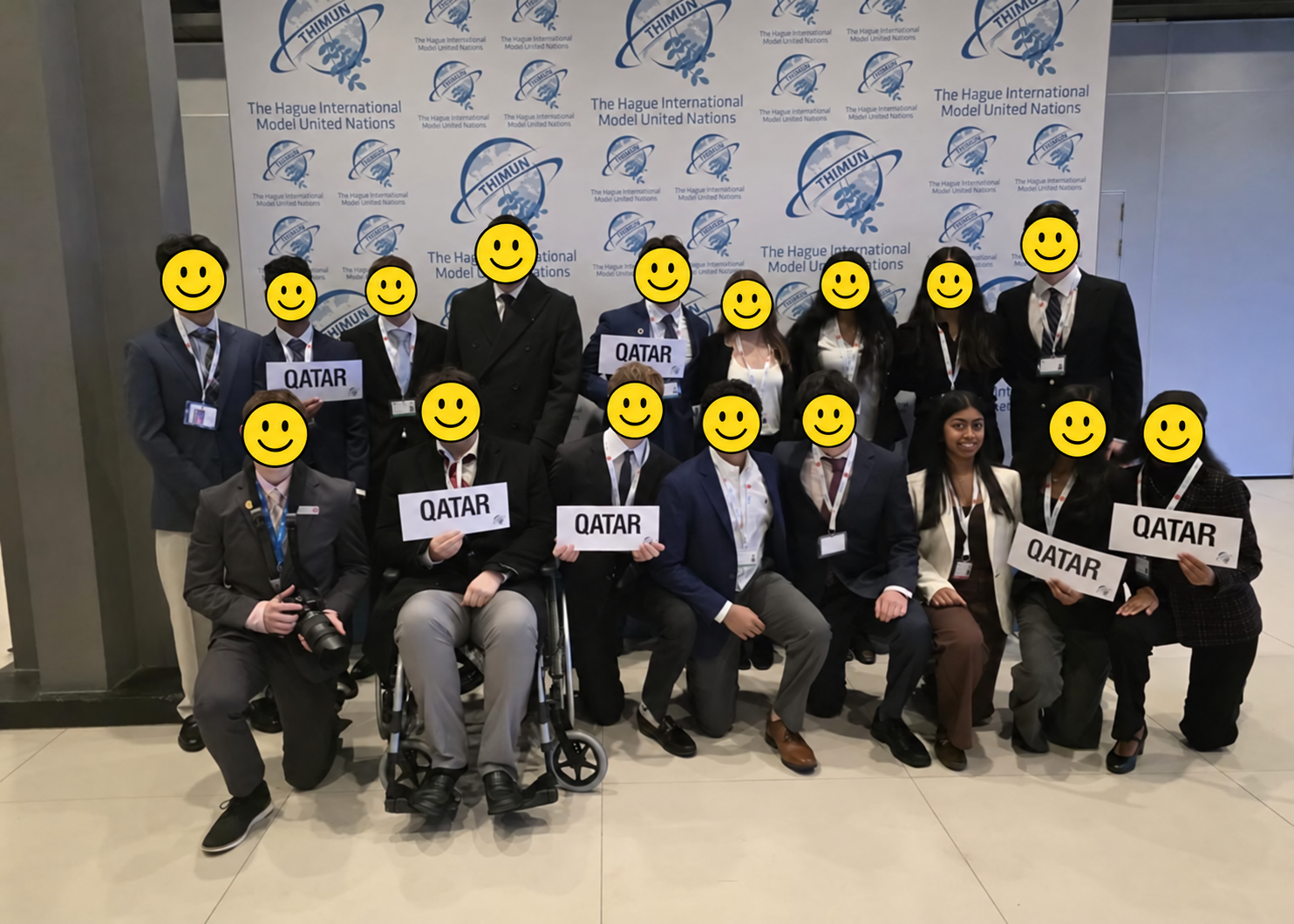
After several months of preparation, I traveled to The Hague International Model United Nations as a delegate in the Historical Security Council. Preparing for the conference required studying not only individual events, but also the histories, alliances, interests, and cultural forces behind them.
Learning to Ask Why
Model UN taught me that understanding a decision requires going beyond the surface. A country’s position is rarely shaped by one factor; history, economics, culture, alliances, and competing priorities all matter.
I began asking a question that now influences how I approach many subjects: Why did they choose this direction?
A Lesson in Leadership
At an early conference, I was hesitant to speak during a lobbying session. An older delegate encouraged me to present a resolution because she believed I understood the issue well. That moment changed the way I thought about leadership.
I learned that leadership does not have to mean dominating a room. It can mean helping someone else find the confidence to contribute.
“Understanding a decision starts with asking why.”
Why It Matters
Model UN has made global affairs feel less abstract. It has taught me to examine issues from multiple perspectives and to recognize that decisions affecting people around the world are shaped by complex histories, competing interests, and different needs.